Media Coverage

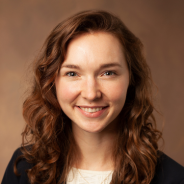
Hill's research focuses on the role of food security in maintaining cardiovascular health across the lifespan, and she's thrilled with the coming opportunity to collaborate within CHEAR and across the U-M campus.

Once again, CHEAR was well represented at the annual Pediatric Academic Societies (PAS) Meeting April 24-27 in Boston.

CHEAR faculty investigator Sarah L. Reeves, PhD, MPH, is featured in this article about the Michigan Department of Health and Human Services announcing a new plan to improve services for people living with sickle cell disease.
A new electronic health record–based tool is helping pediatric primary care clinics more consistently identify and manage children with overweight and obesity.

A national mentorship initiative aimed at improving representation in pediatric surgery is showing promising results, according to a new report on the Alliance of Pediatric Surgeons Growing and Advancing Representation (APGAR).

Children from socioeconomically deprived neighborhoods tend to spend more time in the hospital after surgery, even when their complication rates are similar to those of other children, according to a large, multi-state study using national administrative data.

A multi-state study suggests that where a child lives, and the level of social and economic opportunity in their neighborhood, may not significantly influence whether pediatric kidney tumors are diagnosed at an advanced stage or how quickly surgery is performed.

Dr. Gary Freed, who arrived at the University of Michigan in 1998 and founded the Children's Health Evaluation and Research (CHEAR) Center, was honored recently with the Distinguished Faculty Achievement Award.

CHEAR Faculty member Sarah L. Reeves, PhD, MPH, is featured in this article about the promises of gene therapy for sickle cell disease.

CHEAR Director Kao-Ping Chua, MD, PhD, is featured in this article about routine vaccination rates among children and adolescents in Michigan have significa